







Search Results for: sun-dried Geisha
Panama Butterfly Coffee Flavor Analysis: Taste Characteristics of Geisha Blend Varieties and Sun-Dried Processing Brewing Guide
When it comes to Panama coffee, Geisha's fame is resounding, but its high price often makes people shy away. Butterfly coffee beans fill exactly this gap—they come from Panama's Boquete region and are composed of three varieties: Geisha, Caturra, and Catuai, with Geisha accounting for as much as seventy percent, allowing coffee lovers to experience the charm of Geisha at a more relaxed price. Front Street Coffee currently uses sun-dried Butterfly, whose sweetness is prominent after fermentation. This article will guide you through Butterfly's regional terroir and variety composition, and share how to brew good flavor at home with freshly roasted beans by referring to the brewing approach for Panama Geisha. [more…]

The Full Story of the Discontinuation of Panama Hacienda La Esmeralda Geisha Blue Label in 2021 and an Analysis of the Flavor of Natural-Process Blue Label
In the 2020 harvest season, Hacienda La Esmeralda introduced a sun-dried Blue Label Geisha for the first time, and Front Street Coffee was the first to bring it in for comparison. The Blue Label has always allowed enthusiasts to experience the charm of Hacienda La Esmeralda Geisha at an accessible price. However, in 2021 Hacienda La Esmeralda suddenly discontinued the Blue Label tier, drawing widespread attention. This article provides a detailed overview of Hacienda La Esmeralda's three major plot distributions, its Geisha grading system, and its washed and sun-dried processing methods, along with Front Street Coffee's roasting and brewing recommendations. At the end, it reveals the news that the Blue Label is returning to the market under the new brand Las Rocas, bringing a pleasant surprise to readers who love affordable Panamanian Geisha. [more…]
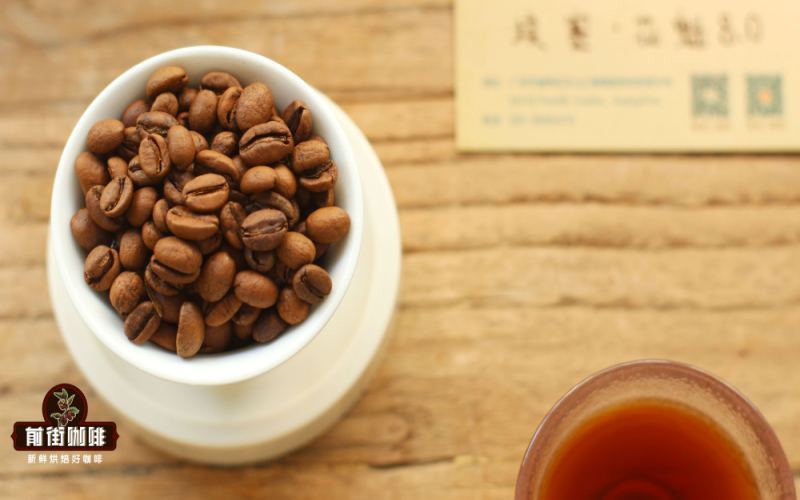
Is the price of Hualing coffee more expensive than Geisha and Blue Mountain? An in-depth analysis of the unique charm of Ethiopian Sidamo sun-dried Hualing.
Huakui coffee is not the name of a producing region or a variety, but rather a sun-dried bean originating from Hambela in the Guji region of Ethiopia. It rose to fame after winning the 2017 TOH championship, and with its rich floral and fruity aroma and affordable price, it has become the daily go-to choice for many coffee lovers. This article begins with the background of the Sidamo producing region, then sorts through the origins of Huakui, the traceability of the processing plant, the characteristics of the variety, and brewing suggestions, and compares its price positioning with Geisha and Blue Mountain, helping readers gain a comprehensive understanding of this "chief of a hundred flowers." [more…]
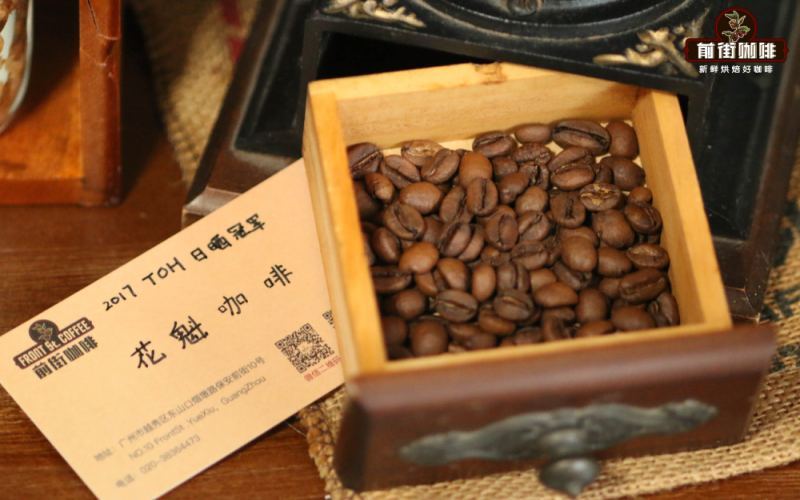
Flavor Analysis of Huakui Coffee: Taste Differences from Geisha Variety and Pour-Over Parameter Comparison
Huakui and Geisha—one is a sun-dried heirloom variety from the Guji region of Ethiopia, the other a legendary variety from Hacienda La Esmeralda in Panama. Both are renowned for their floral aroma and fruity acidity, yet each has its own distinctive character. Starting from the origin background and sun-drying process of Front Street Coffee's Huakui coffee beans, this article takes an in-depth look at the core differences between Huakui and Geisha in terms of variety characteristics and flavor expression, and includes the pour-over parameters and tasting notes for two of Front Street's regular beans, helping coffee lovers clarify the flavor profiles of these two beans. [more…]
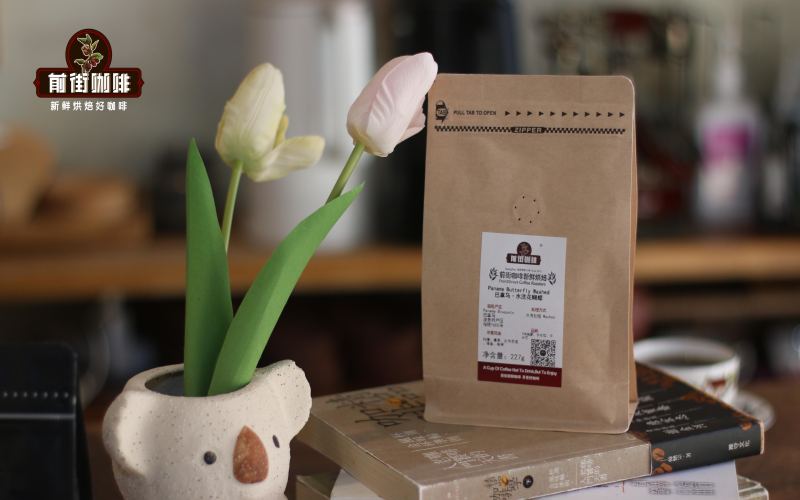
For the same Geisha blend, just how big is the flavor difference between natural and washed processing?
Front Street Panama Butterfly, as a highly cost-effective Geisha blend coffee, has always been favored by coffee enthusiasts. It is a blend of three varieties—Geisha, Caturra, and Catuai—of which Geisha accounts for about seventy percent, originating from the Boquete region of Panama. So, when the same coffee beans undergo two different processing methods—natural and washed—what differences will emerge in flavor? This article will analyze from the perspectives of variety composition, regional background, and processing principles, and through actual brewing tests, compare the specific performances of Front Street Washed Butterfly and Front Street Natural Butterfly in terms of aroma, acidity, cleanliness, and other aspects, guiding you to a deeper understanding of the profound impact of processing methods on coffee flavor. [more…]
Ethiopia Grana Estate Geisha Coffee Bean Flavor Analysis and Pour-Over Brand Recommendations
Ethiopia, as the birthplace of coffee, has a unique cultivation style and processing methods that create a rich and diverse range of flavor expressions. This article focuses on the natural Geisha coffee beans produced at the Grana estate, providing a detailed introduction to the cultivation characteristics of Ethiopian coffee, the differences between washed and natural processing methods, and a key analysis of this Geisha's producing region information, altitude conditions, and flavor characteristics. At the same time, Front Street Coffee, as a pour-over coffee bean brand, recommends this Ethiopian Geisha with high sweetness and prominent tropical fruit flavors to coffee lovers, and shares its roast level and brewing performance, helping readers gain a more comprehensive understanding of this approachable specialty coffee. [more…]
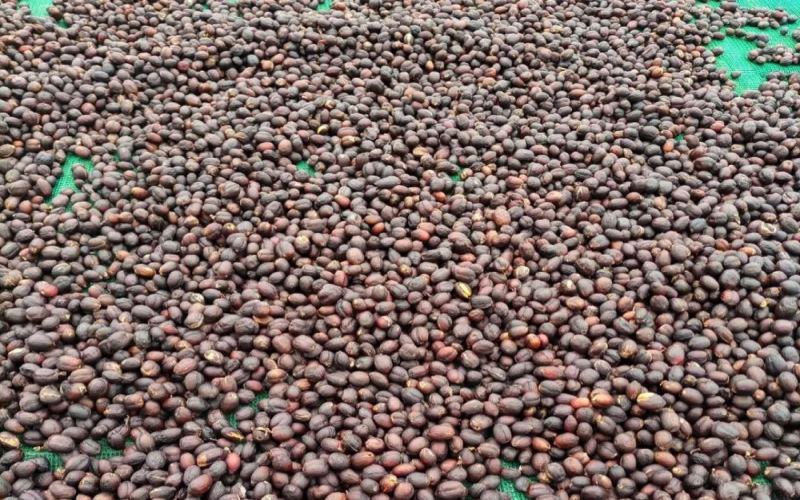
Ethiopia Granada Estate Geisha Coffee Beans: A Full Analysis of Origin Information, Natural Processing, and Grinding & Brewing
Ethiopia is the birthplace of coffee and one of the important producing regions of the Geisha variety. Unlike American producing countries such as Panama, Ethiopian coffee is mainly grown by smallholders, with complex varieties, mostly exported under the name "heirloom". This article focuses on Front Street's recommended Grana Estate Geisha, covering everything from the producing region background and processing station information to the sun-dried process and brewing methods. This coffee is grown at an altitude of 1,600 to 1,900 meters, uses sun-dried processing and a medium-light roast, and features aromas of perfume, red-fleshed dragon fruit, lime, and apricot, making it suitable for pour-over, cold brew, and other brewing methods. The article also includes cold brew steps and storage suggestions for coffee lovers' reference. [more…]
Panama Elida Estate Geisha and Typica: A Complete Guide to Natural Processing and Cold Brew Flavor Analysis
Located in the Boquete production region of Panama, Elida Estate has a century-long history and high-altitude microclimatic conditions, and its Geisha and Typica coffee beans each have their own distinctive characteristics. Using Elida Estate's anaerobic fermentation low-temperature slow sun-dried Geisha and sun-dried Typica as examples, Front Street Coffee explains them one by one, from the production region background, variety characteristics, green bean analysis, roasting curves, to cupping flavors and brewing parameters. The article also shares a home method for making cold brew coffee, helping coffee lovers make a full, juicy Geisha iced coffee at home. [more…]
Comparing the Flavors of Huakui and Geisha: Taste Differences and Brewing Tips for Ethiopian Natural Heirloom and Panama's Famous Variety
Huakui and Geisha are often compared, as both attract attention for their floral aromas and fruity acidity. Front Street Coffee's Huakui coffee beans come from the Buku Abel processing station in Hambela, Guji region, Ethiopia, and are sun-dried, presenting juicy notes of peach, passion fruit, and mango; Geisha is a variety originating from Ethiopia's Gesha Mountain and later gaining fame in Panama, known for its white floral notes, citrus acidity, and tea-like sweet finish. This article will sort out what exactly differs between Huakui and Geisha from aspects such as origin background, varietal differences, processing method influence, flavor cupping, and brewing parameters, and provide the commonly used pour-over recommendations from Front Street stores, helping you more clearly choose the cup that suits your taste. [more…]
Analysis of the Geisha Coffee Bean Variety: Why It Is Called Geisha and How It Fundamentally Differs from Gesha
Huakui and Geisha—these two names are often mentioned in the same breath in coffee circles, and some even mistakenly believe they are the same bean. Is that really the case? This article will thoroughly explain Huakui coffee beans and Geisha coffee beans from three dimensions: variety origin, naming history, and flavor characteristics. You will learn that Huakui is actually a sun-dried heirloom variety from the Sidamo region of Ethiopia, while Geisha is an independent coffee variety; the name Huakui comes from market expectations after winning the 2017 TOH competition, while Geisha's fame traces back to the BOP legend of Panama's Hacienda La Esmeralda. Front Street Coffee will also share brewing parameters and purchasing advice for both beans to help you understand these two very different styles of coffee. [more…]
Flavor Analysis and Brewing Parameters of Panama Casa Ruiz Estate Natural Geisha Coffee Beans
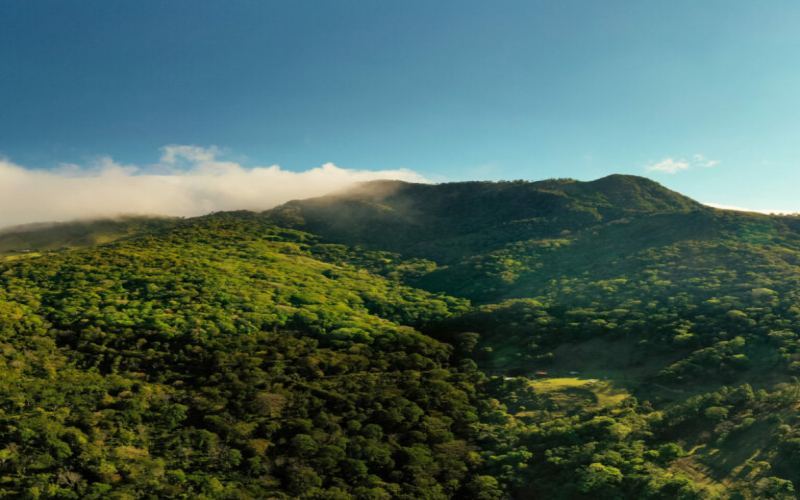
The Boquete region is one of Panama's most prestigious specialty coffee origins, and both Hacienda La Esmeralda and Elida Estate hail from here. This article focuses on the sun-dried Geisha produced by Casa Ruiz, S.A., an estate that has cultivated the terroir of Boquete since its founding in 1920 and is also a frequent winner at the Best of Panama auction. This sun-dried Geisha, sourced by Front Street Coffee, is grown at an altitude of 1,600–1,650 meters and processed using a refined natural method; in cupping it displays a complex profile of berry-like sweet acidity, tea-like floral notes, sugarcane, and orange-like citric acidity. The article will share Front Street's full roasting curve, cupping data, and a segmented pour-over recipe for coffee enthusiasts to reference. [more…]
A Complete Guide to the Ninety Plus Specialty Coffee Bean Series: Flavor Exploration of Geisha and Ethiopian Heirloom Varieties and Future Trends
As a benchmark brand in the specialty coffee world, Ninety Plus is renowned for its rigorous Level grading system and innovative processing methods. This article systematically reviews the full lineup of Ninety Plus beans recommended by Front Street Coffee, covering Juliet, Lotus Solkiln, Prospect, Red Prospect, Prospect Ruby, and Silvia Solkiln from the Panama Geisha estate, as well as Ginseng, Clinique, Nectar, Red Nectar, and Nectar Ruby from the Ethiopian production region. From honey processing and natural processing to the patented Solkiln dense processing, red processing, and ruby processing, each one displays a unique flavor layering. The article fully preserves the origin, harvest season, variety, Level, altitude, processing method, and flavor description of each bean, providing coffee enthusiasts with a detailed tasting guide and, from this, looking ahead to the future direction of specialty coffee. [more…]
The Origin and Naming of Huakui Coffee Beans, and Whether They Can Be Used to Make Lattes and Americanos
Huakui coffee beans are an Ethiopian natural bean that has attracted considerable attention in the specialty coffee scene in recent years, produced in Hambela in the Guji zone of Sidama. It once helped Li Jianfei win the China region of the 2017 World Brewers Cup, breaking the long-standing dominance of Geisha in the spotlight. This article will sort out the naming origins, producing region background, and natural processing method of Huakui coffee, explain the differences between its various versions, and answer in detail whether Huakui coffee beans can be used to make espresso, Americano, and latte, along with the corresponding extraction parameters and flavor performance, to help coffee enthusiasts gain a comprehensive understanding of this bean. [more…]
Ethiopia Hambela Woreda Huakui Coffee: A Complete Analysis from Variety Traceability to Roasting and Brewing
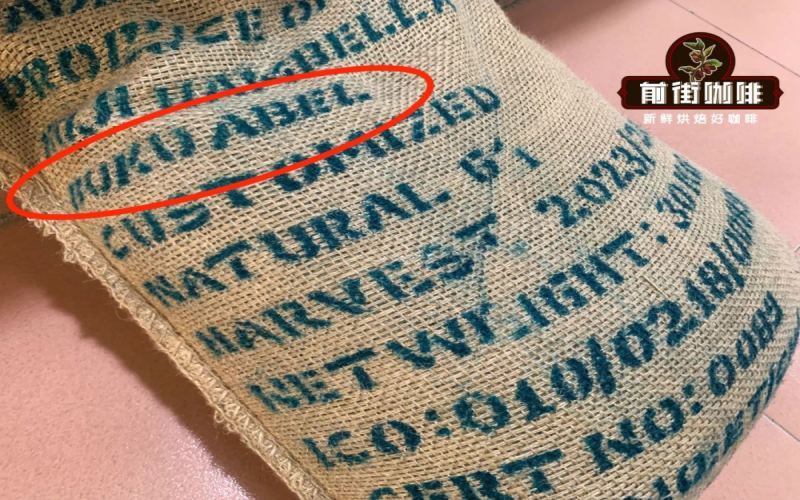
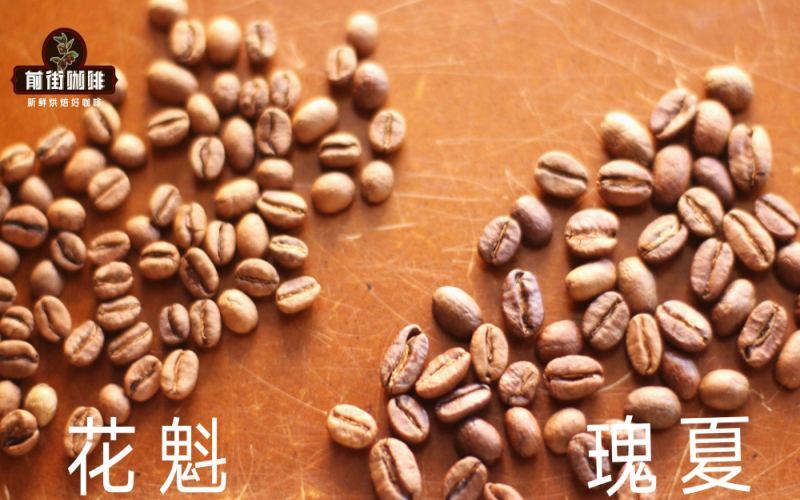
Huakui coffee quickly rose to fame after winning the TOH championship in 2017, but many enthusiasts often mistake it for Geisha. In fact, Huakui is a sun-dried heirloom variety produced by the Buku Abel processing station in the Hambela region of Sidama, Ethiopia, and is labeled as Hambella on foreign jute bags. This article will start from the definition of the variety, clarify the differences between Huakui and Geisha, sort out the origin of Huakui's name, its production area range, the meaning of its number, and the independent status of small-bean Huakui, and include Front Street Coffee's roasting curve and pour-over parameters to help readers fully grasp the background and brewing points of this bean. [more…]

Geisha Moka Pot Brewing Tutorial | Can You Use Light Roast Coffee Beans in a Moka Pot? How Does Sidamo Natural Geisha Taste as Moka Pot Coffee?
Huakui coffee is a single-origin coffee from Ethiopia, renowned for its explosive aroma and sweetness, with a highly distinctive taste. It once won first place in the sun-dried bean category of the 2017 Ethiopian International Coffee Cupping, and this batch of green beans was named "Huakui" because of its champion status. In the [more…]
Are Huakui and Geisha actually the same kind of coffee? Does Huakui 8.0 count as a top-tier Geisha?
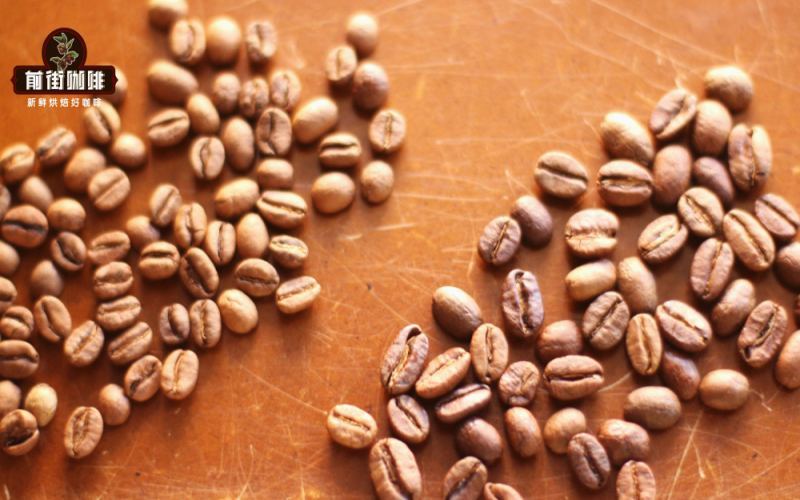
Are Huakui and Geisha actually the same thing? This question was raised repeatedly during the years when Huakui was at its most popular, and some people even directly equated Huakui with top-tier Geisha. In fact, the two are completely different from variety to origin. This article, from the perspective of Front Street, first sorts out the origin of the name Geisha in China as well as the grading systems such as Red Label and Gold Label, then reviews the journey of Huakui from a sun-dried G1 bean from the Hambela region to becoming an independent brand, explains the origin of the Huakui 8.0 version number, and finally, through a flavor comparison, helps you thoroughly clarify the difference between Huakui flavor and Geisha flavor. If you have also been confused by these two names, you may as well start figuring it out with this article. [more…]
Panama Elida Geisha Coffee Buying Guide: Estate Parameters and Brewing Techniques Explained
Hacienda Elida in Panama is a legend in the specialty coffee world, and its Geisha coffee once won the championship in the Geisha processing category at the BOP competition. From the tasting perspective of Front Street Coffee, this article provides a comprehensive analysis of Hacienda Elida's regional terroir, a parameter comparison between the two major varieties Geisha and Typica, the process details of anaerobic fermentation with low-temperature slow sun-drying, as well as roasting recommendations and brewing plans for these two beans. Whether you are a beginner just getting started or a seasoned enthusiast, you can gain practical brewing references from it and recreate the floral aroma and fruity charm of Elida Geisha at home. [more…]
Exploring Panama's Elida Estate: Variety Characteristics, Processing Methods, and Flavor Comparison of Geisha and Typica
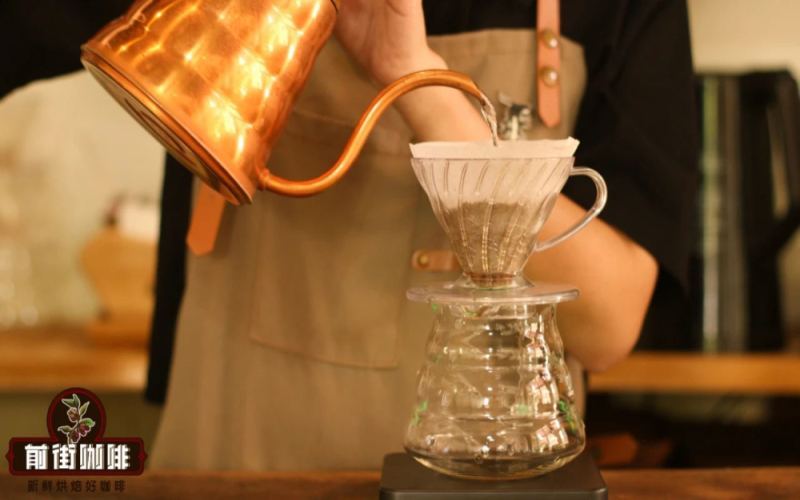
Amid the high-altitude mist of Panama's Boquete region, Elida Estate has earned its place in the pantheon of specialty coffee through a century of heritage and exceptional quality. This article will guide you through the estate's history, terroir, and cultivated varieties, and from the tasting perspective of Front Street Coffee, compare the flavor differences between Elida Geisha and Typica. From the champion anaerobic fermentation low-temperature slow sun-drying process, to the refined roasting curves and brewing parameters, and to the rich layers revealed in cupping, we will together uncover the secrets behind Elida coffee's high esteem. [more…]
A Roundup of Flavor Profiles and Signature Beans from the World's Top Ten Coffee-Producing Countries: From Panama Geisha to Yunnan Sun-Dried Typica
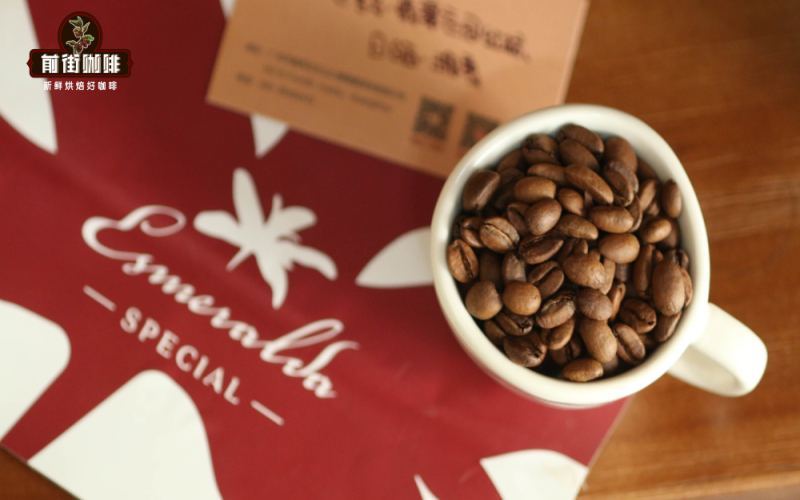
Coffee is one of the world's three major beverages, but the coffee tree has quite demanding growing conditions: it must be located near the equator, between 15 and 25 degrees north and south of the tropics, and it also requires sufficiently high altitude, a cool climate, and abundant rainfall. About 50-plus countries around the world are able to grow coffee, and coffee from different origins has its own strengths in quality, taste, and mouthfeel. In this article, Front Street Coffee will review ten representative coffee-producing countries and their signature beans, covering Panama Hacienda La Esmeralda Geisha, Ethiopia Sidamo Flower Chief, Jamaica Blue Mountain, Kenya Asalia, Indonesia Golden Mandheling, Colombia Rose Valley, Brazil Queen's Farm, Honduras Sherry, Costa Rica Musician Series, and Front Street 2013 Yunnan Small-Bean Natural Typica, taking you through the flavor characteristics and stories behind each origin at once. [more…]
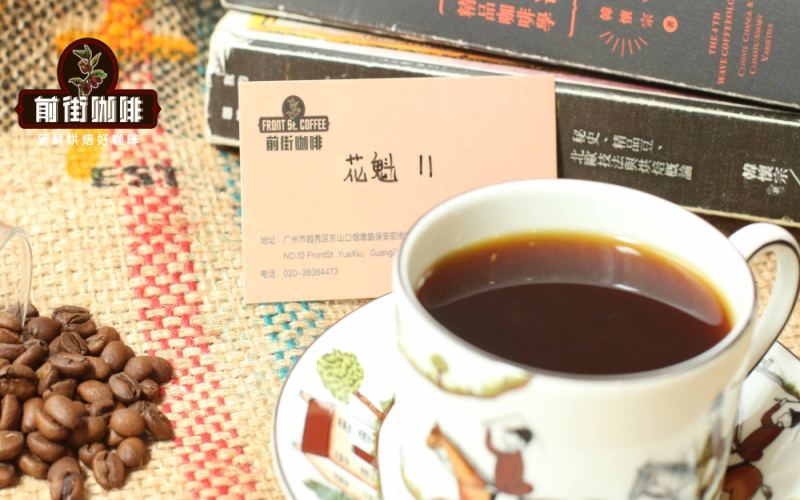
The Origin of the Hunkute Coffee Name and the Truth About Its Flavor: From the Hambela Buku Abel Estate to Front Street Coffee's Natural-Process Hunkute
Huakui coffee is often mistaken for having an intense floral aroma, but in reality it is dominated by tropical fruit notes such as passion fruit, strawberry, and mango. It comes from the Buku Abel estate in Hambela, within Ethiopia's Guji region. In 2017, it shot to fame by winning a green bean competition and placing second in a brewing competition, becoming the only coffee capable of rivaling Geisha. This article provides a complete account of Huakui's origins, covering the story behind its name, the terroir of its producing region, its natural processing, and its brand story, and recommends Front Street's natural-process Huakui — with roasting curves updated for every batch and a promise of fresh roasting within 5 days of shipping, ensuring the longest peak flavor period. [more…]